Five Small Experiments to Master Garden Herb Preservation
Preserving herbs is more than following recipes: it’s about understanding moisture, surface area, acidity and storage. These five short experiments—each doable in a single afternoon or less—let you explore those principles hands-on. Work through them in order and you’ll build a flexible skillset for keeping summer brightness in winter dishes.
How to run these experiments
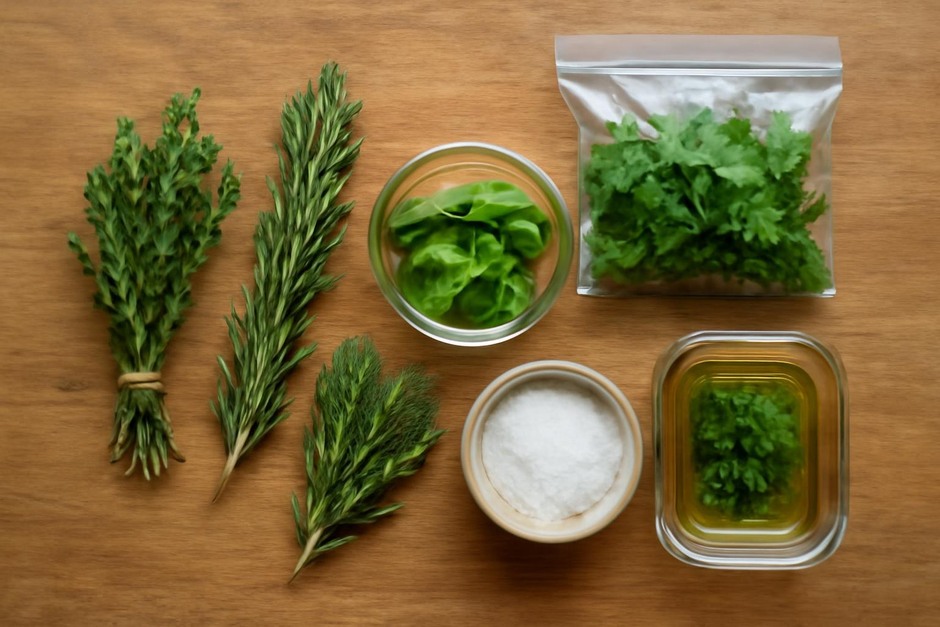
Gather small samples (a few sprigs) of three different herbs you grow or buy—choose one tender (basil), one woody (rosemary) and one leafy (parsley). Use the same herbs across experiments so you can compare results. For each experiment, note what you expect to happen, record two observations (appearance, aroma, texture), and decide whether you’d use the preserved herb and how.
Experiment 1: The sniff-and-crush freshness test (10 minutes)
- What to do: Smell a fresh leaf, then crush it between fingers and smell again. Do this for each herb.
- Principle: Aromatic oils reside in glandular cells; crushing releases volatile compounds and tells you how robust the scent is.
- What to observe: Which herb’s fragrance strengthens most when crushed? Which fades quickly?
- Small example result: Basil often delivers an immediate burst of sweet, clove-like aroma; rosemary’s scent is persistent and strong even before crushing.
Experiment 2: Air-drying vs low-heat oven-drying (1–3 days)
- What to do: Tie small bunches of each herb and hang one set in a warm, ventilated room (out of direct sun). On a baking sheet, spread another set and dry in the oven at the lowest setting (35–45°C / 95–115°F) with the door slightly ajar—check every 15–20 minutes.
- Principle: Drying removes moisture to prevent decay; slow, gentle drying preserves more volatile oils, while faster heat can concentrate flavor but risks loss of delicate notes.
- What to observe: Time to brittle texture, change in color, and aroma strength. Which method kept leaf shape and color? Which smelled most like the fresh herb?
- Small example result: Parsley keeps more brightness when air-dried slowly; basil often darkens in the oven and loses some top notes.
Experiment 3: Herb cubes—freezing flavor in small doses (1–2 hours prep, frozen storage)
- What to do: Finely chop herbs and pack into an ice-cube tray. Cover with cold water or homemade broth and freeze. Pop out cubes when solid and store in a sealed bag.
- Principle: Freezing locks aromatic compounds in suspended water, keeping flavor more ‘fresh’ than dehydration for tender herbs used in sauces and soups.
- What to observe: After thawing one cube in a spoonful of warm broth, note aroma and texture. Does the herb retain freshness compared with dried samples?
- Small example result: Basil in an oil-free frozen cube softens but retains a garden-fresh note ideal for finishing soup; parsley survives freezing better than drying for bright garnishing.
Experiment 4: Herb salt—simple preservation that amplifies flavor (15–30 minutes prep)
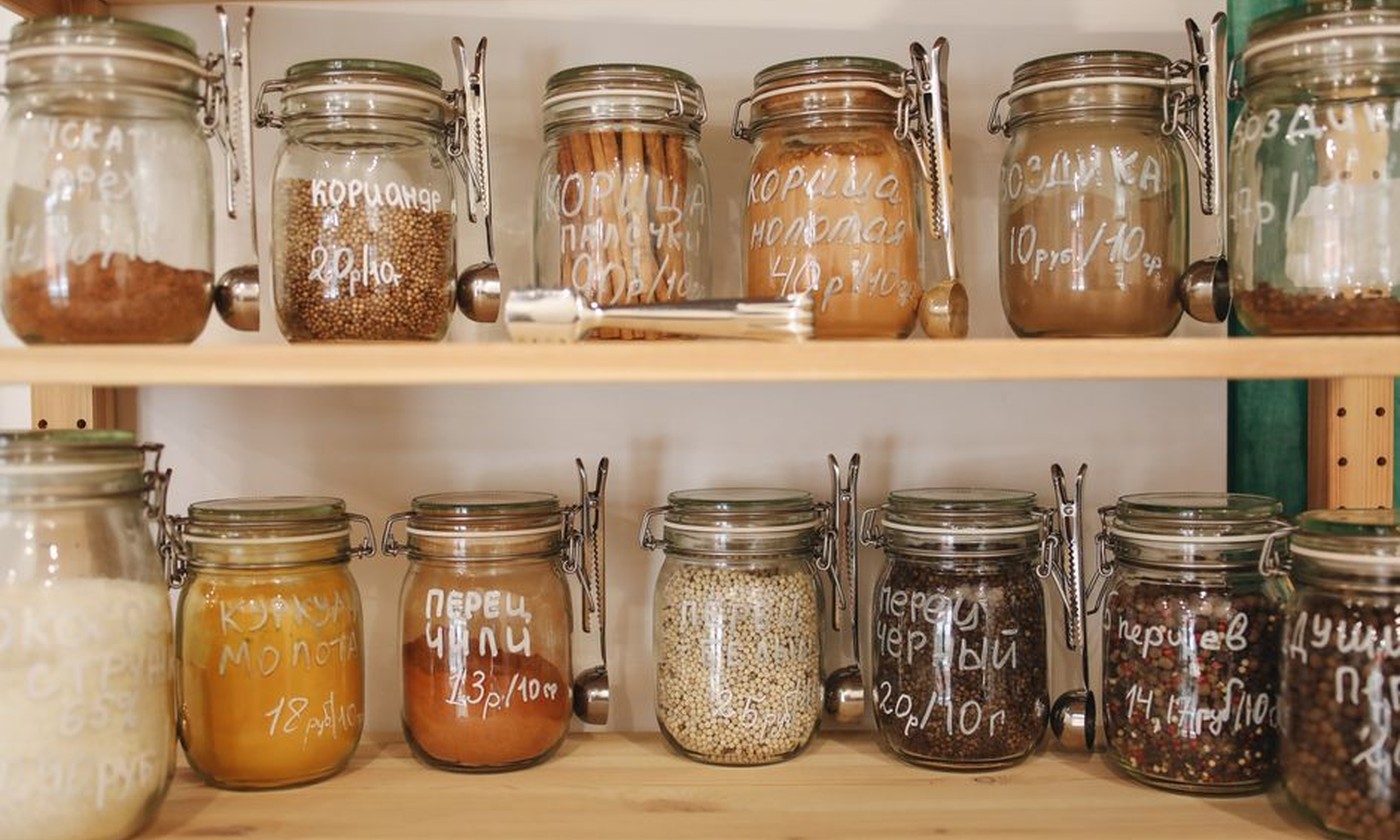
- What to do: Finely chop herbs and mix with coarse salt (about 1 part herb to 2–3 parts salt by volume). Pack into a jar and press down. Leave at room temperature for a day, then taste a pinch.
- Principle: Salt draws moisture and infuses with essential oils, creating a stable seasoning that carries herbal aroma into dishes.
- What to observe: How intense is the aroma? Does the salt clump or remain free-flowing? Try a pinch on plain butter or roasted vegetables.
- Small example result: Rosemary salt works well for roasting potatoes; basil salt adds a punch to tomato salads if used sparingly.
Experiment 5: Quick herb vinegar infusion (24–48 hours)
- What to do: Roughly bruise herbs and pack into a clean jar. Cover with a mild vinegar (like white wine vinegar). Seal and leave at room temperature for 24–48 hours, then strain and store in the fridge.
- Principle: Acidity extracts and stabilizes many flavor compounds; infused vinegars add herb brightness to dressings or marinades without needing fresh leaves.
- What to observe: Compare the infused vinegar’s aroma and taste to plain vinegar. Which herb yields the cleanest, most complementary note?
- Small example result: Tarragon or basil give a pronounced aromatic lift; parsley yields subtler green notes better used where you want gentle background flavor.
Bringing it together
After these experiments you’ll know which preservation method suits each herb and application: drying concentrates and is space-efficient, freezing preserves fresh notes for cooking, salt locks and seasons, and vinegar carries flavor into dressings. Use your notes to choose the method that matches how you cook—roasted foods welcome dried woody herbs, while quick sauces often prefer frozen or vinegar-infused options.
Next steps: repeat with seasonal herbs, try halving or combining methods (dried-herb salts, frozen-herb compound butter) and keep a simple log of outcomes. Small, deliberate tests like these build reliable intuition so preserving herbs becomes less about recipes and more about purposeful flavor choices.